Introduction
Creating a beautiful, comfortable home doesn’t have to mean spending a fortune or hiring expensive interior designers. With the right furniture, fixtures, and decorative pieces, anyone can transform their living space into a place that reflects their personality and style. Whether you’re moving into a new house, renovating your current home, or simply wanting to refresh a tired room, understanding quality home furnishing options makes all the difference.
The world of home improvement and interior design has evolved tremendously over the past few years. Today’s homeowners have access to stylish, affordable furniture and decor that was once available only through high-end boutiques or custom orders. Online shopping has made it easier than ever to browse thousands of options, compare styles, and find pieces that fit both your aesthetic vision and your budget.
In this comprehensive guide, we’ll explore everything you need to know about choosing quality furniture and decor for your home. We’ll discuss the home decorators collection brand and similar offerings, covering product categories, quality considerations, design trends, shopping strategies, and practical tips for creating cohesive, beautiful spaces throughout your house. Ultimate Home Decorators Collection Style Guide 2026 helps you discover modern furniture, stylish décor ideas, and smart home design inspiration.
By the end of this article, you’ll have the knowledge and confidence to make smart purchasing decisions, avoid common decorating mistakes, and create a home you’ll love for years to come. Let’s dive into the world of home furnishings and discover how to transform your living space!
Understanding Quality Home Furnishing Brands
The furniture and home decor industry includes thousands of brands ranging from ultra-premium luxury names to budget-friendly options, with many excellent mid-range choices in between. Understanding what differentiates quality brands helps you make smart purchasing decisions that balance style, durability, and value.
Quality home furnishing brands typically share several characteristics that distinguish them from lower-quality alternatives. They use better materials solid wood instead of particle board, genuine leather rather than vinyl, and durable fabrics that resist fading and wear. Construction methods matter too, with quality brands using proper joinery, reinforced corners, and attention to detail in assembly.
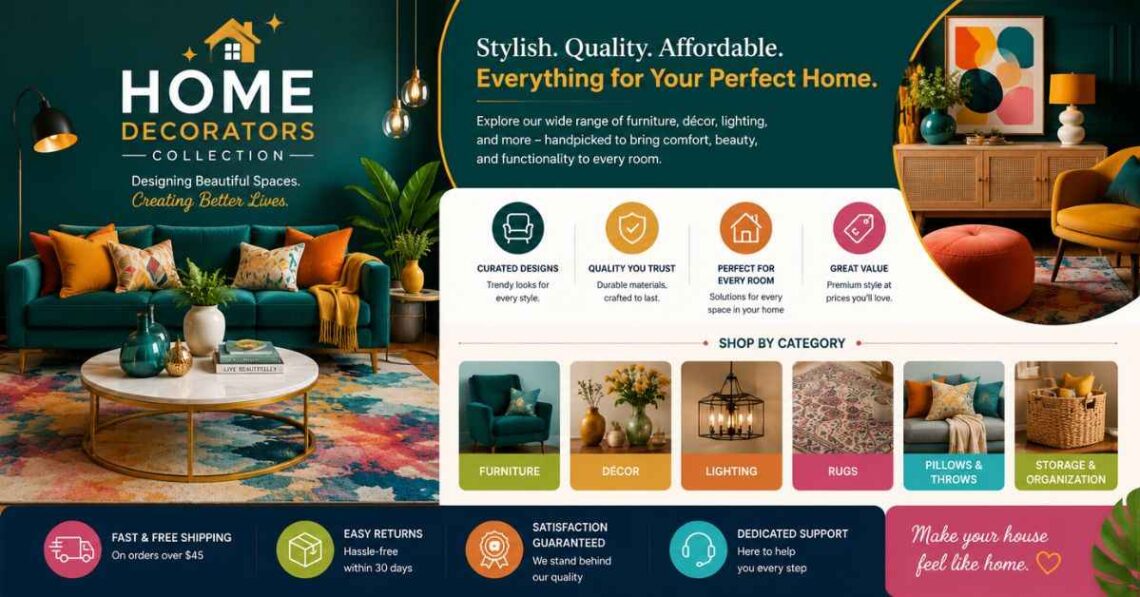
The home decorators‘ collection represents one option within the broader landscape of home furnishing retailers. Available primarily through Home Depot, this brand offers furniture, lighting, flooring, window treatments, and decorative accessories designed to provide style at accessible price points for average homeowners.
Brand reputation develops over time through consistent quality, customer service, and standing behind products when issues arise. Researching customer reviews, warranty policies, and company history helps you identify brands worth trusting with your home furnishing investments.
Price doesn’t always indicate quality; some expensive brands charge primarily for name recognition rather than superior materials or craftsmanship. Conversely, some affordable brands deliver excellent value through efficient operations and smart sourcing rather than cutting corners on quality.
According to the Consumer Product Safety Commission, furniture safety should be a priority consideration alongside aesthetics and price. Quality brands comply with safety standards for stability, material safety, and construction integrity.
Understanding brand positioning helps set appropriate expectations. Luxury brands target high-end markets with premium materials and custom options. Mid-range brands balance quality and affordability. Budget brands prioritize low prices, sometimes with quality trade-offs. Knowing where a brand positions itself helps you evaluate whether products meet expectations.
Furniture Categories and Room-Specific Considerations
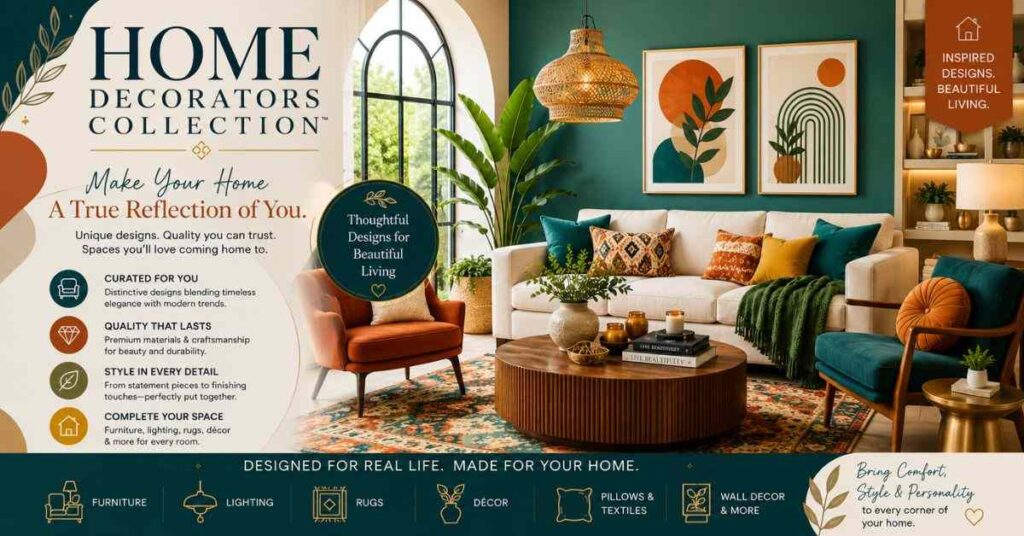
Home furnishing encompasses numerous product categories, each serving specific functions and requiring different selection criteria. Understanding these categories helps you make appropriate choices for different rooms and purposes throughout your home.
Living room furniture
It forms the heart of most homes, where families gather and guests are entertained. Key pieces include sofas, loveseats, chairs, coffee tables, end tables, entertainment centers, and storage solutions. Living room furniture should balance comfort with durability since these pieces typically receive heavy daily use.
Bedroom furniture
Creates personal retreats for rest and relaxation. Essential pieces include beds, dressers, nightstands, chests, and sometimes vanities or seating. Bedroom furniture can prioritize personal style more than public-facing living spaces since fewer people see these rooms.
Dining room furniture
Facilitates meals and gatherings. Tables, chairs, buffets, china cabinets, and bar carts comprise this category. Dining furniture must withstand regular use and potential spills and should accommodate your typical household size plus occasional guests.
Home office furniture
It has become increasingly important as more people work from home. Desks, office chairs, filing cabinets, bookcases, and organizational systems create productive workspaces. Ergonomics matters significantly for furniture used during long working hours.
Outdoor furniture
Extends living space beyond interior walls. Patio sets, loungers, outdoor dining furniture, and weather-resistant decorative pieces should withstand sun, rain, and temperature fluctuations while providing comfortable outdoor enjoyment.
Storage and organization
Furniture includes bookcases, storage benches, cabinets, shelving units, and closet systems that help maintain tidy, organized homes. These functional pieces can also contribute to room aesthetics when chosen thoughtfully.
Room size, layout, existing decor, and specific needs should guide furniture selection for each space. Measure carefully before purchasing to ensure new pieces fit properly without overwhelming or underwhelming the available space.
Lighting Solutions for Every Room
Lighting dramatically affects how rooms look and feel, making it one of the most important yet often underestimated elements of home design. Understanding different lighting types and their purposes helps you create well-lit, attractive spaces throughout your home.
Ambient lighting
Provides overall illumination for rooms, typically through ceiling fixtures, recessed lights, or chandeliers. This general lighting serves as the foundation for room illumination, ensuring safe navigation and basic visibility.
Task lighting
Focuses illumination on specific areas where detailed activities occur, such as reading lamps beside chairs, pendant lights over kitchen islands, vanity lighting in bathrooms, or desk lamps in home offices. Task lighting should be bright enough for its specific purpose without creating glare.
Accent lighting
Highlights architectural features, artwork, or decorative elements. Picture lights, track lighting, and directional spotlights create visual interest and depth by drawing attention to specific focal points.
Decorative lighting
Serves aesthetic purposes as much as functional ones. Beautiful chandeliers, artistic pendant lights, and sculptural lamps contribute to room style while providing illumination. These statement pieces often become room focal points.
The home decorators’ collection includes various lighting options across these categories, from practical ceiling fixtures to decorative table lamps. When selecting lighting, consider both functional needs and aesthetic preferences to create balanced, attractive illumination.
Smart lighting
It has become increasingly popular, offering adjustable brightness, color temperature, and even color changes through smartphone apps or voice commands. Smart bulbs and fixtures add convenience and customization to home lighting systems.
According to the U.S. Department of Energy, LED lighting has become the most energy-efficient option, using at least 75% less energy than incandescent bulbs while lasting 25 times longer. Choosing LED fixtures and bulbs reduces energy costs while providing excellent illumination.
Flooring Options and Selection Criteria
Flooring forms the foundation of every room’s appearance and functionality, making it one of the most significant home improvement decisions you’ll make. Different flooring types offer various advantages, aesthetics, and maintenance requirements.
Hardwood flooring
It remains a classic choice valued for beauty, durability, and home value enhancement. Real wood floors develop character over time, can be refinished multiple times, and work with virtually any decor style. However, they require more maintenance and cost more initially than some alternatives.
Laminate flooring
Provides a budget-friendly alternative to hardwood, using photographic layers under a protective coating to mimic wood appearance. Modern laminate looks remarkably realistic while offering easier installation and maintenance than real wood. Quality varies significantly across price points.
Vinyl and luxury vinyl plank
Flooring offers water resistance, easy maintenance, and a comfortable underfoot feel. Technological advances have made vinyl flooring attractive and durable, with realistic wood and stone appearances. It works particularly well in kitchens, bathrooms, and basements.
Tile flooring
Including ceramic and porcelain provides excellent durability and water resistance for bathrooms, kitchens, and entryways. Available in countless colors, patterns, and sizes, tiles offer tremendous design flexibility. Proper installation is crucial for longevity.
Carpet flooring
Adds warmth, comfort, and sound absorption to bedrooms, living rooms, and family spaces. Carpet comes in various materials, pile heights, and qualities. Stain resistance and durability vary significantly based on fiber type and construction quality.
Engineered hardwood
It combines real wood veneer over plywood or high-density fiberboard, offering a hardwood appearance with better moisture resistance and stability. It costs less than solid hardwood while providing similar aesthetics.
The home decorators’ collection offers various flooring options suitable for different rooms, budgets, and style preferences. When selecting flooring, consider room function, moisture exposure, foot traffic levels, maintenance preferences, and overall home style.
Window Treatments and Their Impact
Window treatments serve both practical and aesthetic purposes, controlling light and privacy while contributing significantly to room appearance. Understanding different window treatment types helps you choose options that meet your specific needs and complement your decor.
Curtains and drapes
Offer traditional window covering with fabric panels that hang from rods. They provide varying light control depending on fabric opacity, add softness to rooms, and come in endless colors and patterns. Curtains range from sheer panels that filter light gently to heavy drapes that block light completely.
Blinds
Feature horizontal or vertical slats that adjust to control light precisely. Venetian blinds (horizontal slats) work well for most windows, while vertical blinds suit sliding doors and large windows. Materials include wood, faux wood, aluminum, and vinyl, each with different appearances and durability characteristics.
Shades
Roll or fold to cover windows, offering clean, streamlined appearances. Roman shades fold into pleats when raised, roller shades roll onto tubes, cellular shades trap air for insulation, and solar shades filter light while maintaining views. Different shade types serve different functional and aesthetic purposes.
Shutters
Provide permanent, architectural window treatments with adjustable louvers controlling light and privacy. Plantation shutters with wide louvers have become particularly popular for their classic appearance and versatility. Quality shutters represent significant investments but add home value.
Combination treatments
Layer different window covering types, sheers under drapes, and blinds beneath curtains, to provide maximum flexibility in light control and privacy while creating sophisticated, layered appearances.
The home decorators’ collection includes window treatment options across categories, from ready-made curtains to custom blinds and shades. When selecting window treatments, consider room purpose (bedroom privacy vs. living room light), window size and shape, existing décor, and maintenance preferences.
Energy efficiency
Should factor into window treatment decisions. According to the U.S. Department of Energy, appropriate window treatments can reduce heat gain by up to 77% and heat loss by up to 25%, significantly impacting home comfort and energy costs.
Current Design Trends and Timeless Styles
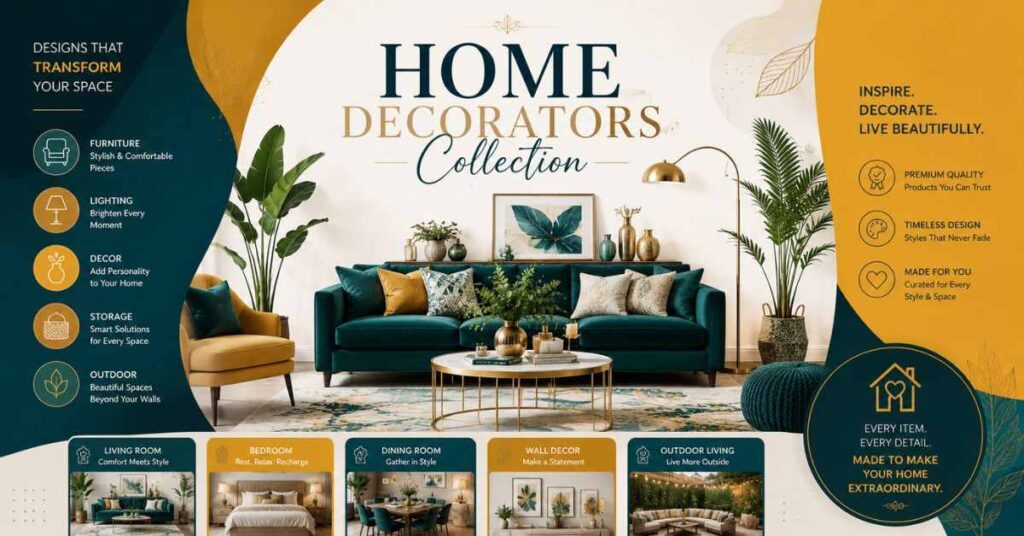
Home design trends evolve constantly, influenced by cultural shifts, technology advances, and changing lifestyles. Understanding current trends helps you create contemporary spaces, while recognizing timeless styles ensures your choices remain attractive for years.
Sustainable and eco-friendly design
Has moved from niche concern to mainstream priority. Consumers increasingly seek furniture made from reclaimed wood, recycled materials, sustainably harvested resources, and non-toxic finishes. This trend reflects growing environmental awareness and health consciousness.
Multi-functional furniture
Addresses smaller living spaces and changing lifestyle needs. Storage ottomans, sofa beds, expandable dining tables, and convertible desks maximize functionality in limited square footage. As housing costs rise, furniture that serves multiple purposes becomes increasingly valuable.
Natural materials and organic shapes
Dominate current aesthetics. Wood, stone, rattan, jute, and other natural materials create warm, inviting spaces connected to nature. Curved furniture silhouettes and organic shapes soften spaces previously dominated by stark geometric forms.
Bold colors and patterns
They are making comebacks after years of neutral dominance. Deep greens, rich blues, warm terracottas, and statement patterns add personality to spaces. However, these trends risk dating quickly, so consider whether you’ll enjoy bold choices in five years.
Minimalist and maximalist approaches
Both have strong followings. Minimalism emphasizes clean lines, uncluttered spaces, and intentional furnishings. Maximalism embraces abundant decoration, pattern mixing, and collected aesthetics. Both can create beautiful spaces when executed thoughtfully.
Smart home integration
Extends beyond lighting to include furniture with built-in charging, motorized recliners, and connected systems. Technology integration makes homes more convenient while creating new design considerations.
Timeless styles
Including traditional, transitional, and classic modern remain popular because they adapt well to changing trends through accessories and accents while maintaining core aesthetic appeal. Investing in timeless furniture pieces allows trend experimentation through easily changeable elements like pillows, artwork, and decorative accessories.
Quality Assessment and Value Considerations
Understanding how to evaluate furniture and decor quality helps you make purchases that provide good value, lasting durability, and long-term satisfaction. Quality assessment requires examining materials, construction, finish, and overall design execution.
Material quality
Significantly impacts furniture durability and appearance. Solid wood construction outperforms particleboard or MDF for longevity, though engineered materials have improved dramatically and serve appropriately for many applications. Fabric quality affects how upholstery wears, resists staining, and maintains appearance over time.
Construction methods
Reveal quality levels not always visible superficially. Dovetail joints indicate quality drawer construction. Corner blocks reinforce case goods. Eight-way hand-tied springs in upholstery provide superior comfort and support compared to cheaper suspension systems.
Finish quality
Affects appearance and durability. Furniture should have smooth, even finishes without drips, bubbles, or rough patches. Multiple finish coats with proper sanding between applications create superior results. Finishes should resist scratching, watermarks, and daily wear appropriately.
Weight and stability
Often indicating quality, heavier furniture typically uses better materials and more substantial construction. Furniture should feel solid without wobbling, with doors and drawers operating smoothly and aligning properly.
Warranty and return policies
Reflect manufacturer confidence in product quality. Generous warranties suggest durability expectations, while limited warranties or complicated return processes might indicate quality concerns.
The home decorators’ collection positions itself in the mid-range market, balancing affordability with reasonable quality for budget-conscious consumers seeking style without premium prices. Understanding this positioning helps set appropriate expectations.
Price-value assessment
Requires comparing similar products across brands to understand whether prices align with quality levels. Sometimes paying 20% more yields 50% better quality and longevity. Other times, expensive products offer minimal advantages over affordable alternatives.
Shopping Strategies and Purchasing Tips
Smart shopping strategies help you find quality furniture and decor at the best possible prices while avoiding common purchasing mistakes that lead to disappointment or wasted money.
Measure carefully
Before shopping to ensure new furniture fits your space appropriately. Record room dimensions, doorway widths, ceiling heights, and existing furniture measurements. Nothing is more frustrating than discovering your perfect sofa won’t fit through the front door.
Create mood boards
Collecting images of rooms, color palettes, and specific pieces you love. These visual references help maintain cohesive style when shopping across multiple stores or over extended periods. Free apps like Pinterest make mood board creation simple.
Timing purchases strategically
Takes advantage of seasonal sales and promotional periods. Major furniture sales typically occur during President’s Day, Memorial Day, Fourth of July, Labor Day, and Black Friday. End-of-season clearances offer excellent deals on outdoor furniture and seasonal decor.
Read reviews carefully
From verified purchasers to understand real-world product performance, delivery experiences, and customer service quality. Look for review patterns rather than individual complaints every product receives some negative reviews, but consistent issues indicate problems.
Consider assembly requirements
Before purchasing. Some furniture arrives fully assembled, while other pieces require significant assembly time and skill. Be honest about your DIY abilities and available time when choosing between assembled and flat-pack furniture.
Protect your investment
With appropriate furniture care products and practices. Follow manufacturer care instructions, use coasters and placemats, clean spills promptly, and maintain wood finishes appropriately. Simple care habits dramatically extend furniture lifespan.
Mix high- and low-risk investments
Strategically splurge on heavily used pieces like sofas and mattresses while saving on decorative items easily replaced as tastes change. This balanced approach optimizes both budget and quality.
Room-by-Room Design Approaches
Creating cohesive, functional, attractive spaces requires considering each room’s specific purpose, typical occupants, and role within the overall home. Strategic design approaches vary by room type.
Living rooms
Should balance comfort, style, and functionality for the activities occurring there. Arrange furniture to facilitate conversation while accommodating entertainment needs. Choose durable fabrics for families with children or pets, reserving delicate materials for adult-only formal spaces.
Bedrooms
Prioritize rest and relaxation through calming colors, comfortable bedding, appropriate lighting, and clutter-reducing storage. Mattress quality matters more than decorative headboards. Invest where it impacts sleep quality. Create dark, quiet environments conducive to restful sleep.
Kitchens
Require durable, easy-to-clean surfaces combined with efficient layouts supporting cooking and gathering. Even if you can’t renovate, updating cabinet hardware, adding under-cabinet lighting, or installing a new backsplash refreshes kitchens significantly.
Bathrooms
Benefit from spa-like atmospheres through quality towels, attractive storage solutions, good lighting, and pleasant colors. Small updates like new faucets, mirrors, or lighting fixtures transform bathrooms without major renovation expense.
Home offices
Need ergonomic furniture, adequate lighting, organizational systems, and aesthetics that maintain a professional appearance during video calls while supporting productive work. Separate workspaces from relaxation areas when possible to maintain work-life boundaries.
Dining rooms
It should accommodate your household size plus occasional guests comfortably. Extendable tables provide flexibility, while durable finishes withstand regular use. Storage for dishes, linens, and serving pieces keeps dining essentials accessible.
The home decorators’ collection offers products suitable for all these room types, from living room seating to bathroom vanities, providing options for complete home furnishing from a single source.
Product Category Comparison
Understanding how different product categories compare helps you make informed decisions about where to invest your home improvement budget.
| Product Category | Typical Lifespan | Investment Priority | Quality Impact | Style Flexibility |
|---|---|---|---|---|
| Upholstered Furniture | 7-15 years | High | Very significant | Moderate (slipcovers help) |
| Wood Furniture | 15-30+ years | High | Extremely significant | High (refinishing possible) |
| Mattresses | 7-10 years | Very High | Crucial for health | N/A (hidden) |
| Lighting Fixtures | 10-20 years | Medium | Moderate | Very High (easy updates) |
| Window Treatments | 10-20 years | Medium | Significant | High (easy changes) |
| Flooring | 10-30+ years | Very High | Extremely significant | Low (expensive to change) |
| Decorative Accessories | 1-10 years | Low | Minimal | Very High (seasonal rotation) |
| Area Rugs | 5-15 years | Medium | Moderate | High (easy updates) |
This comparison illustrates that some purchases warrant higher investment due to their longevity, daily impact, or difficulty changing later, while others allow more budget-conscious choices.
Design Style Quick Reference
Understanding different design styles helps you identify your preferences and create cohesive spaces that reflect your aesthetic sensibilities.
| Design Style | Key Characteristics | Color Palette | Best For | Signature Elements |
|---|---|---|---|---|
| Modern | Clean lines, minimal ornamentation | Neutral with bold accents | Uncluttered spaces | Metal, glass, geometric shapes |
| Traditional | Classic details, symmetry | Rich, warm tones | Formal rooms | Wood furniture, patterned fabrics |
| Transitional | Blend modern and traditional | Balanced neutrals | Versatile appeal | Mix of finishes and textures |
| Farmhouse | Rustic, cozy, vintage elements | Whites, creams, natural wood | Casual, family-friendly | Shiplap, barn doors, antiques |
| Industrial | Raw materials, exposed elements | Grays, blacks, browns | Loft-style spaces | Metal, reclaimed wood, Edison bulbs |
| Coastal | Relaxed, beach-inspired | Blues, whites, sandy neutrals | Vacation-feeling homes | Natural textures, nautical accents |
| Mid-Century Modern | Retro 1950s-60s aesthetic | Earthy tones with pops of color | Nostalgic enthusiasts | Tapered legs, organic curves |
| Scandinavian | Minimalist, functional, cozy | Whites with natural wood | Small spaces | Simple forms, natural light emphasis |
This reference helps you identify styles that resonate with your preferences and guides purchasing decisions toward cohesive aesthetics rather than random collections.
Maintenance and Care for Longevity
Proper maintenance extends furniture lifespan significantly, protecting your investment while keeping your home looking beautiful. Different materials require specific care approaches.
Wood furniture care
It involves dusting regularly with soft cloths, using appropriate wood cleaners or polishes, avoiding water damage through coasters and placemats, and protecting from direct sunlight that can fade finishes. Treat scratches promptly with touch-up markers or furniture pens.
Upholstery maintenance
Includes regular vacuuming to remove dust and debris, treating stains immediately with appropriate cleaners, rotating cushions to distribute wear evenly, and professional cleaning every 12–24 months for heavily used pieces. Fabric protectors add stain resistance.
Leather care
Requires conditioning every 6-12 months to prevent drying and cracking, wiping spills immediately, avoiding harsh cleaners, and protecting from heat sources and direct sunlight. Quality leather develops an attractive patina over time with proper care.
Flooring maintenance
Varies by type. Hardwood needs sweeping and appropriate hardwood cleaners, avoiding excess water. Laminate requires dry or barely damp cleaning. Vinyl tolerates more moisture but avoids harsh chemicals. Carpet benefits from regular vacuuming and periodic deep cleaning.
Metal and glass care
Typically involves simple cleaning with appropriate products, avoiding abrasive materials that scratch surfaces. Stainless steel cleaners maintain finish shine, while glass cleaners prevent streaking.
Outdoor furniture care
Includes covering or storing during harsh weather, cleaning regularly to prevent mold and mildew, touching up paint or finish as needed, and using furniture-specific cleaners for different materials.
According to research from Consumer Reports, proper furniture maintenance can extend the usable lifespan by 30–50% compared to neglected pieces, representing significant value in simple care habits.
Frequently Asked Questions About Home Furnishing
How much should I budget for furnishing a room?
Budget $3,000-$8,000 for living rooms, $2,000-$5,000 for bedrooms, and $1,500-$4,000 for dining rooms with quality mid-range furniture; adjust based on room size and quality preferences.
How long does furniture typically last?
Quality upholstered furniture lasts. 7-15 years, solid wood furniture. 15-30+ years, and mattresses 7-10 years with proper care; cheap furniture may need replacement in 3-5 years.
Should I buy furniture online or in stores?
Both work well. Stores let you see and test furniture physically, while online offers a broader selection and often better prices. Read reviews carefully for online purchases.
What’s the best time of year to buy furniture?
Major holiday weekends (Presidents’ Day, Memorial Day, July 4th, and Labor Day) and Black Friday offer the year’s best furniture deals, with end-of-season clearances also providing savings.
How do I choose the right sofa size?
Measure your room, allowing 30-36 inches of walking space around the sofa; ensure it fits through doorways; and choose a scale appropriate to room size. Oversized sofas overwhelm small rooms.
Conclusion: Creating Your Dream Home with Confidence
Transforming your house into a beautiful, functional home doesn’t require unlimited budgets or professional design expertise; it requires understanding quality furniture and decor, smart shopping strategies, and thoughtful planning that aligns purchases with your lifestyle needs and aesthetic preferences.
Throughout this guide, we’ve explored the home decorators’ collection and broader home furnishing landscape, covering essential product categories from furniture and lighting to flooring and window treatments. We’ve discussed quality assessment, design trends, shopping strategies, and maintenance practices that help you make informed decisions protecting your investment.
Remember that creating your ideal home is a journey, not a destination. Most people furnish homes gradually over months or years, prioritizing essential items first and adding decorative elements as the budget allows. This patient approach often yields more cohesive results than hasty decisions driven by empty rooms.
Focus on quality over quantity; fewer well-made pieces create better spaces than rooms packed with cheap furniture destined for early replacement. Invest appropriately in items you’ll use heavily, like mattresses and sofas, while saving on easily changed decorative elements.
Most importantly, choose furnishings you genuinely love that reflect your personality and support your lifestyle. Trends may change, but your home should consistently bring you joy, offering comfort, functionality, and beauty that enriches your life.
Ready to transform your living space? Start by identifying one room needing attention, creating a budget and priority list, researching options thoroughly, including the home decorators’ collection and alternatives, measuring carefully, and making your first confident purchase toward the home you’ve always wanted.