Introduction
The gaming world has transformed dramatically over the past decade, expanding far beyond traditional console and PC gaming into new territories that were once completely separate entertainment industries. Today’s gamers navigate a diverse landscape that includes everything from competitive esports and mobile gaming to streaming platforms and, yes, even casino-style gaming experiences. This evolution has created both exciting opportunities and important questions about responsible entertainment.
Understanding this expanded gaming ecosystem helps players, parents, and enthusiasts make informed decisions about how they engage with different gaming formats. Whether you’re interested in traditional video games, exploring new platforms, or curious about how casino gaming intersects with the broader gaming culture, having clear, accurate information becomes essential for safe and enjoyable experiences.
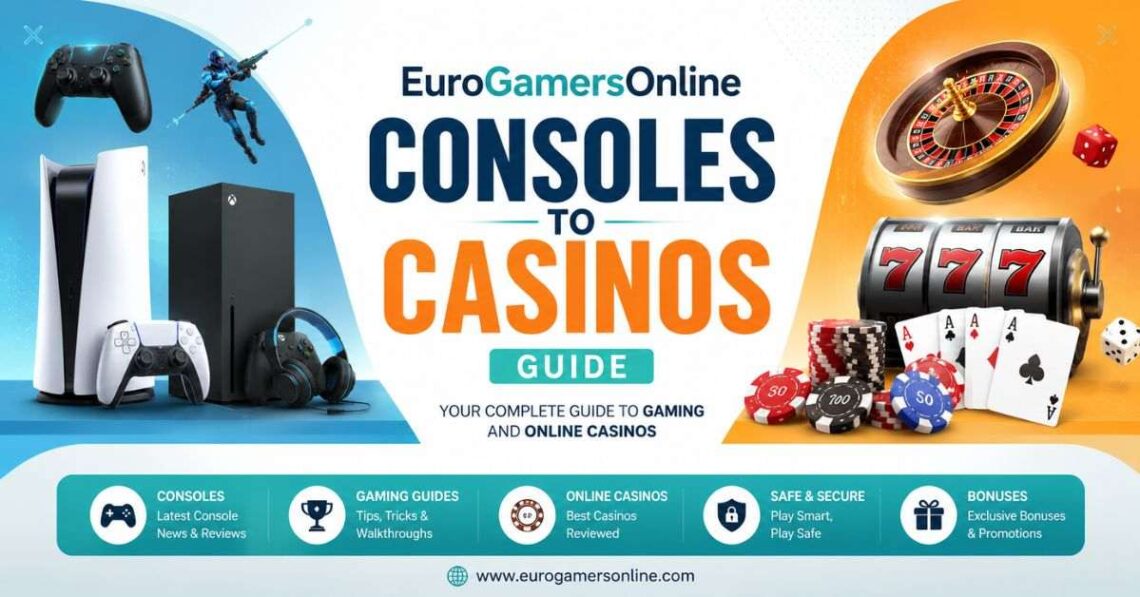
The concept of Ultimate eurogamersonline from consoles to casinos guide represents this broader gaming journey that many players experience as they explore different entertainment options. This comprehensive guide will walk you through the complete spectrum of modern gaming, explaining each category clearly, discussing important safety considerations, and helping you understand how different gaming formats compare and overlap.
The Evolution of Modern Gaming Culture
Gaming culture has undergone remarkable transformation since the early days of simple arcade machines and home consoles. What began as a niche hobby for enthusiasts has become a mainstream entertainment phenomenon touching billions of people worldwide across all age groups and demographics.
Traditional console gaming established the foundation, with iconic systems like Nintendo, PlayStation, and Xbox creating dedicated communities of players who gathered around shared gaming experiences. These platforms offered structured gaming with clear rules, defined objectives, and immersive storytelling that captured imaginations globally.
The rise of PC gaming added depth and complexity, enabling more sophisticated games, modding communities, and the foundation for competitive esports. PC gamers enjoyed technical advantages like superior graphics, customization options, and access to game development tools that fostered creative communities.
Mobile gaming revolutionized accessibility by putting games directly into billions of pockets through smartphones and tablets. Suddenly, gaming wasn’t confined to dedicated devices; it became available anywhere, anytime, dramatically expanding the total gaming audience to include people who never considered themselves “gamers.”
Streaming platforms like Twitch and YouTube Gaming transformed gaming from a solitary activity into social entertainment. Watching others play games became a legitimate form of entertainment, creating celebrity streamers and generating billions in revenue through advertising and subscriptions.
According to Newzoo’s Global Games Market Report, the gaming industry generated over $200 billion globally in 2026, demonstrating its massive economic and cultural impact. This growth reflects gaming’s evolution from simple entertainment into a multifaceted industry encompassing various formats, business models, and audience segments.
Understanding Console Gaming Fundamentals
Console gaming remains one of the most popular and accessible forms of interactive entertainment, offering players polished experiences designed specifically for television-based gaming systems with dedicated controllers.
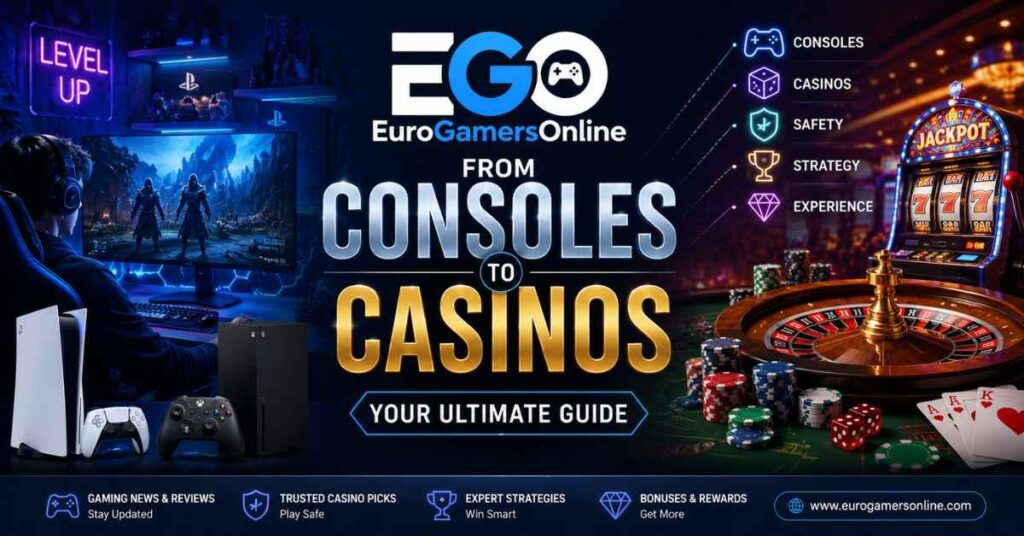
Modern consoles in 2026 include PlayStation 5, Xbox Series X/S, and Nintendo Switch, each offering unique features, exclusive games, and distinct gaming philosophies. PlayStation emphasizes cinematic single-player experiences and Japanese RPGs; Xbox focuses on services like Game Pass and backward compatibility, while Nintendo prioritizes family-friendly creativity and portability.
Console gaming appeals to many people because of its simplicity. You purchase a system, buy or download games, and start playing without worrying about hardware compatibility, driver updates, or technical specifications. This “plug and play” approach removes barriers that sometimes frustrate PC gamers.
Exclusive titles drive console choices, with franchises like God of War, Halo, and Mario appearing only on specific platforms. These exclusives create passionate fan communities and often represent the highest quality gaming experiences available, showcasing what each platform does best.
Digital distribution has transformed console gaming, with downloadable games now competing with (and often surpassing) physical disc sales. Services like PlayStation Network, Xbox Live, and Nintendo eShop provide instant access to vast game libraries without visiting stores or waiting for shipping.
Subscription services have changed the business model, with Xbox Game Pass, PlayStation Plus, and Nintendo Switch Online offering libraries of games for monthly fees. This Netflix-style approach provides tremendous value while changing how players discover and engage with games.
Social features integrate gaming with broader entertainment, enabling players to share screenshots, stream gameplay, communicate with friends, and participate in online communities directly through their consoles. Gaming has become inherently social rather than isolating.
PC Gaming: Power and Flexibility
PC gaming offers unmatched power, flexibility, and customization options that appeal to enthusiasts wanting maximum control over their gaming experiences, from hardware specifications to software modifications and everything in between.
The primary advantage of PC gaming is raw performance potential. High-end gaming PCs deliver superior graphics, frame rates, and resolution compared to consoles, providing breathtaking visual experiences in demanding titles. This technical superiority comes at a price, both financial and in terms of technical knowledge required.
Hardware customization allows PC gamers to build systems matching their specific needs and budgets. You can prioritize graphics performance, processing power, storage capacity, or cooling efficiency based on what games you play and what features matter most to you personally.
Game libraries on PC dwarf those available on any console, with platforms like Steam, Epic Games Store, GOG, and others collectively offering tens of thousands of titles spanning decades of gaming history. Backward compatibility isn’t a question; if it ran on PC before, it likely still runs today with compatibility layers.
Modding communities thrive on PC, creating custom content, modifications, and total conversions that extend game lifespans and add features developers never imagined. Games like Skyrim, Minecraft, and Grand Theft Auto V have thriving mod ecosystems that essentially transform them into entirely new experiences.
Competitive gaming and esports predominantly happen on PCs due to precise input controls, high refresh rate displays, and performance consistency. Professional players across games like Counter-Strike, League of Legends, and Valorant almost exclusively use PC platforms for competitive advantages.
Digital distribution platforms compete for PC gamers’ attention, creating beneficial competition through exclusive games, free game giveaways, and sales that can see AAA titles discounted by 75% or more. This competitive market benefits consumers through lower prices and better services.
Mobile Gaming’s Massive Impact
Mobile gaming has fundamentally reshaped the gaming industry by reaching audiences that traditional gaming platforms never touched, creating a massive market that now rivals and sometimes exceeds traditional gaming revenue.
Accessibility defines mobile gaming’s success. With over 6 billion smartphone users globally, according to Statista, mobile games reach audiences regardless of income level, gaming experience, or access to dedicated gaming hardware. This democratization has expanded gaming’s total addressable market enormously.
Casual gaming dominates mobile platforms, with puzzle games, match-three titles, and simple arcade games attracting players who would never consider purchasing consoles or gaming PCs. Games like Candy Crush, Wordle, and Among Us demonstrate how simple mechanics can create addictive, satisfying experiences.
Free-to-play business models define most mobile games, removing purchase barriers while monetizing through optional in-app purchases, advertising, or subscriptions. This approach maximizes player counts while generating revenue from engaged users willing to spend on conveniences or cosmetic items.
Hardcore gaming has found surprising success on mobile, with games like Genshin Impact, PUBG Mobile, and Call of Duty Mobile delivering console-quality experiences on smartphones. These titles demonstrate that mobile platforms can support sophisticated gameplay when developers invest appropriate resources.
Social integration makes mobile gaming inherently connected, with most titles incorporating friend systems, social media sharing, competitive leaderboards, and multiplayer features. Gaming becomes a way to stay connected with friends and family rather than an isolated activity.
The concept of eurogamersonline from consoles to casinos acknowledges mobile gaming’s role in bridging traditional gaming with other entertainment forms, including casino-style games that have found enormous audiences on mobile platforms.
The Rise of Online Casino Gaming
Online casino gaming represents a distinct category within the broader gaming landscape, offering gambling experiences through digital platforms that simulate traditional casino games like slots, poker, blackjack, and roulette.
This gaming format differs fundamentally from traditional video games because it involves real money wagering rather than purchasing games or in-game items. Players deposit funds, place bets on games of chance or skill, and potentially win or lose money based on outcomes.
Regulation varies dramatically by location, with some jurisdictions legalizing and regulating online casino gaming while others prohibit it entirely. In the United States, individual states control legalization, creating a patchwork of regulations where online casino gaming is legal in states like New Jersey and Pennsylvania but prohibited elsewhere.
Age restrictions apply universally, with 18 or 21 (depending on jurisdiction) as the minimum ages for participation. These restrictions exist because gambling involves financial risk and can lead to addiction and financial harm, particularly for young people still developing decision-making capabilities.
The overlap with traditional gaming occurs through visual presentation, game mechanics, and marketing that sometimes targets similar audiences. Many casino games use video game-style graphics, achievement systems, progression mechanics, and social features that blur the lines between gambling and gaming entertainment.
Responsible gaming concerns warrant serious attention because casino gaming carries inherent addiction risks. Unlike video games, where you might lose time, casino gaming involves losing money, sometimes substantial amounts. Problem gambling affects approximately 1% of adults, according to the National Council on Problem Gambling, with many more experiencing gambling-related harm.
Understanding eurogamersonline from consoles to casinos means recognizing these important distinctions while acknowledging how gaming culture increasingly encompasses diverse entertainment formats, including gambling-adjacent experiences.
Streaming and Content Creation
Gaming content creation and streaming have emerged as major entertainment categories, transforming players into performers and audiences into active participants in gaming culture through platforms like Twitch, YouTube Gaming, and TikTok.
Professional streamers build careers entertaining audiences through gameplay, commentary, interaction, and personality. Top streamers earn millions through subscriptions, donations, sponsorships, and advertising, demonstrating that gaming expertise can translate into viable professional opportunities.
Audience participation distinguishes streaming from passive entertainment like television. Viewers chat with streamers in real-time, influence gameplay decisions, request specific content, and build communities around shared interests. This interactivity creates profound engagement that traditional media struggles to match.
Content diversity extends far beyond simply playing games. Streamers create tutorials, speedruns, challenge runs, comedic content, analysis, reviews, and creative variations that add entertainment value beyond gameplay itself. Personality and presentation often matter more than raw gaming skill.
Platforms compete for creators and audiences through different revenue models, exclusive contracts, and feature sets. Twitch dominates live streaming, and YouTube offers superior video hosting and discoverability, while emerging platforms like Kick compete through creator-friendly revenue splits.
Career opportunities have multiplied around streaming ecosystems, including editors, moderators, managers, graphic designers, and technical specialists who support content creators. The streaming economy employs thousands beyond just on camera personalities.
Educational content helps newcomers improve, with tutorial creators teaching everything from basic game mechanics to advanced competitive strategies. This knowledge sharing accelerates skill development and makes complex games more accessible to broader audiences.
Esports: Competitive Gaming’s Global Phenomenon
Esports transforms gaming from casual entertainment into professional competition, with organized leagues, substantial prize pools, sponsorship deals, and global audiences rivaling traditional sports in some demographics.
Major esports titles include League of Legends, Counter-Strike 2, Dota 2, Valorant, and Overwatch 2, each with established competitive scenes, professional teams, regular tournaments, and dedicated fan bases. These games balance spectator appeal with competitive depth, creating compelling viewing experiences.
Prize pools reach staggering amounts, with The International regularly exceeding $30 million and other major tournaments offering millions in prizes. These financial incentives attract talented players who dedicate thousands of hours to competitive excellence.
Professional organizations operate similarly to traditional sports teams, with coaches, analysts, team houses, training regimens, and organizational structures supporting player development. Top organizations like Team Liquid, Fnatic, and Cloud9 compete across multiple game titles simultaneously.
Viewership numbers demonstrate esports’ mainstream appeal, with major tournaments drawing millions of concurrent viewers globally. The 2026 League of Legends World Championship peaked at over 130 million viewers, according to Riot Games, demonstrating massive global interest.
Educational pathways are developing, with universities offering esports scholarships, dedicated programs, and varsity teams that compete in collegiate leagues. This academic recognition legitimizes esports as career paths worthy of educational investment.
Career diversity within esports extends beyond playing professionally to include broadcasting, commentary, analysis, journalism, management, coaching, and event production. The ecosystem supports numerous career paths for people passionate about competitive gaming.
Understanding Gaming Addiction and Healthy Habits
While gaming provides tremendous entertainment value, excessive gaming can develop into problematic behavior affecting physical health, mental well-being, relationships, academic performance, and overall life quality.
Gaming disorder received official recognition from the World Health Organization in 2019 as a mental health condition characterized by impaired control over gaming, prioritizing gaming over other activities, and continuing gaming despite negative consequences. This recognition acknowledges that gaming addiction represents a real clinical concern.
Warning signs include gaming for increasingly long periods, irritability when unable to game, lying about time spent gaming, losing interest in other activities, continuing to game despite negative consequences, using gaming to escape problems, and experiencing withdrawal symptoms when not gaming.
Physical health impacts can include sleep deprivation, poor nutrition, eye strain, repetitive stress injuries, obesity from sedentary behavior, and vitamin D deficiency from insufficient outdoor time. These physical consequences demonstrate that excessive gaming affects more than just time management.
Mental health connections exist between problematic gaming and depression, anxiety, social isolation, and low self esteem, though researchers debate whether gaming causes these conditions or serves as coping mechanisms for underlying issues. The relationship is complex and individual.
Healthy gaming habits include setting time limits, taking regular breaks using the 20-20-20 rule (every 20 minutes, look 20 feet away for 20 seconds), maintaining physical activity, prioritizing sleep, balancing gaming with other activities, and being honest about gaming’s impact on responsibilities.
Parental guidance helps younger gamers develop healthy relationships with gaming through clear rules, monitoring playtime, discussing content, encouraging diverse activities, and modeling balanced technology use. According to Common Sense Media, parental involvement significantly influences children’s media habits.
Comparing Gaming Formats and Experiences
Different gaming formats offer distinct advantages, disadvantages, and ideal use cases depending on individual preferences, budgets, gaming goals, and lifestyle factors that influence entertainment choices.
| Gaming Format | Initial Cost | Ongoing Costs | Accessibility | Social Features | Typical Session Length |
|---|---|---|---|---|---|
| Console Gaming | $300-500 | $0-180/year | High | Excellent | 1-4 hours |
| PC Gaming | $600-2000+ | $0-200/year | Medium | Excellent | 1-5 hours |
| Mobile Gaming | $0-1000 | $0-100/month | Very High | Good | 5-30 minutes |
| Online Casino Gaming | $0 | Variable | High | Limited | 10-60 minutes |
| Cloud Gaming | $0-300 | $10-20/month | Very High | Good | 30 minutes-3 hours |
This comparison illustrates how different formats serve different needs, budgets, and playing patterns. No single format is objectively “best” the ideal choice depends entirely on individual circumstances and preferences.
Age-Appropriate Gaming Across Platforms
Understanding age appropriateness helps parents, educators, and players themselves choose gaming experiences matching maturity levels while avoiding content that might be disturbing, confusing, or harmful.
| Age Group | Recommended Formats | Content Considerations | Supervision Level | Time Recommendations |
|---|---|---|---|---|
| 6-9 years | Console (E-rated), Mobile (kids category) | Cartoon violence only, positive messages | Direct supervision | 30-60 minutes daily |
| 10-12 years | Console, PC (E10+ rated), Mobile | Mild fantasy violence acceptable | Active monitoring | 1-2 hours daily |
| 13-15 years | All formats (T-rated), Limited social features | Some realistic violence, competitive play | Regular check-ins | 2-3 hours daily |
| 16-17 years | All formats (M-rated with discussion) | Mature themes with context | Periodic discussion | 2-4 hours daily |
| 18+ | All formats including casino gaming | All content with personal responsibility | Self-regulated | Individual choice |
These recommendations align with EnteEntertainment Software Rating Board (ESRB) guidelines while acknowledging that individual maturity varies. Parents should consider their specific children’s sensitivity and maturity when making decisions.
Safety Across the Gaming Spectrum
Maintaining
Safety while gaming requires understanding platform-specific risks and implementing appropriate protective measures tailored to different gaming formats and individual vulnerability factors.
Privacy protection
Involves limiting personal information sharing, using privacy settings to restrict who can contact you or see your activity, avoiding revealing identifying details in usernames or profiles, and being cautious about sharing photos or location information within gaming communities.
Financial security
Requires using secure payment methods, enabling two factor authentication on gaming accounts, monitoring spending on in-game purchases or subscriptions, setting budgets for entertainment spending, and being extremely cautious about any casino gaming participation.
Social safety
This means blocking and reporting toxic players, avoiding voice chat with strangers (especially for younger players), never agreeing to meet online contacts in person without parental involvement, and understanding that people online may not be who they claim to be.
Cybersecurity basics
This includes using strong, unique passwords for each gaming account; keeping software and devices updated with security patches; being skeptical of free game offers that seem too good to be true; and avoiding downloading games or mods from untrusted sources.
Content filtering
Helps parents control what children can access through console parental controls, Steam family sharing features, mobile device restrictions, and third-party monitoring software that provides visibility into gaming activity without being overly intrusive.
Time management tools
Built-in modern platforms help enforce healthy gaming habits through features like Nintendo Switch’s parental controls app, PlayStation’s play time limits, and iOS screen time controls that prevent excessive gaming sessions.
The Federal Trade Commission offers excellent resources at Consumer about online gaming safety, in-game purchases, and protecting children in digital environments trusted guidance from government consumer protection experts.
Responsible Gaming Across All Formats
Developing responsible gaming habits ensures that entertainment remains positive rather than becoming problematic, regardless of whether you’re playing console games, mobile titles, or exploring the connection of eurogamersonline from consoles to casinos.
Set clear boundaries
Start gaming sessions by deciding in advance how long you’ll play, what time you’ll stop, and what responsibilities must be completed first. Pre-commitment makes it easier to stick to limits than trying to decide when you’re already engaged.
Maintain life balance.
By ensuring gaming doesn’t replace other important activities like physical exercise, social interaction, creative pursuits, outdoor time, and responsibilities. Gaming should enhance life, not replace living.
Monitor spending carefully.
On games, in-game purchases, subscriptions, and especially any gambling-related gaming. Create entertainment budgets and stick to them, treating gaming expenses like any other discretionary spending category.
Recognize warning signs
Of problematic gaming including neglecting responsibilities, lying about gaming time, feeling unable to cut back despite wanting to, experiencing withdrawal symptoms, using gaming to escape problems, or continuing despite negative consequences.
Seek help when needed.
Through resources like the National Council on Problem Gambling for gambling-related concerns or mental health professionals for gaming disorder. Recognizing when entertainment crosses into problem territory is crucial for early intervention.
Educate yourself continuously.
About gaming platforms, new games, emerging risks, and best practices. The gaming landscape evolves rapidly, so ongoing education helps you make informed decisions as new formats and features emerge.
Practice digital citizenship.
By treating other players respectfully, reporting harmful behavior, supporting positive community members, and modeling the behavior you want to see. Healthy gaming communities depend on individual participants choosing positive interactions.
Frequently Asked Questions
What’s the main difference between video gaming and online casino gaming?
Video gaming involves purchasing entertainment experiences, while casino gaming involves wagering real money with the potential for financial loss a fundamental distinction despite similar digital formats.
At what age can someone legally participate in online casino gaming?
Minimum ages are 18 or 21 depending on jurisdiction, with strict age verification required by regulated operators to prevent underage gambling.
Are free-to-play games actually free, or will I need to spend money?
Free-to-play games can be enjoyed completely free, though many offer optional purchases for convenience, cosmetics, or faster progression that enhance but aren’t required for enjoyment.
How can parents monitor children’s gaming without being overly controlling?
Use built-in parental controls for time limits and content restrictions, maintain open communication about gaming experiences, and participate in gaming together to understand what children enjoy.
Is gaming addiction a real medical condition?
Yes, gaming disorder is recognized by the World Health Organization as a mental health condition, though most people who game regularly do not develop addiction.
Conclusion
The modern gaming world encompasses incredible diversity, from traditional console and PC gaming to mobile experiences, streaming entertainment, competitive esports, and yes, even casino-style gaming that intersects with gaming culture. Understanding this complete landscape, what we might call “eurogamersonline,” from consoles to casinos, empowers players, parents, and enthusiasts to make informed decisions about entertainment choices.
Each gaming format offers unique benefits and considerations. Console gaming provides accessible, polished experiences. PC gaming delivers power and flexibility. Mobile gaming offers unprecedented convenience. Streaming creates community. Esports provides competitive thrills. Casino gaming introduces real-money wagering with all its accompanying risks and regulations.
The key to positive gaming experiences across all these formats lies in responsible engagement: setting appropriate boundaries, maintaining life balance, protecting privacy and security, monitoring spending, recognizing warning signs of problematic behavior, and seeking help when entertainment crosses into harmful territory.
As gaming continues evolving and new formats emerge, the principles outlined in this guide remain constant: understanding what you’re engaging with, making informed choices, protecting yourself and loved ones, and ensuring gaming enhances rather than detracts from overall life quality.
Ready to navigate the gaming landscape more confidently? Start by evaluating your current gaming habits honestly, implementing one healthy boundary this week, exploring a new gaming format safely, or having meaningful conversations with family members about their gaming experiences. Whether you’re playing the latest console exclusive, competing in esports tournaments, or simply enjoying mobile puzzle games during your commute, approach gaming as the wonderful entertainment it can be when engaged with awareness, responsibility, and balance!