
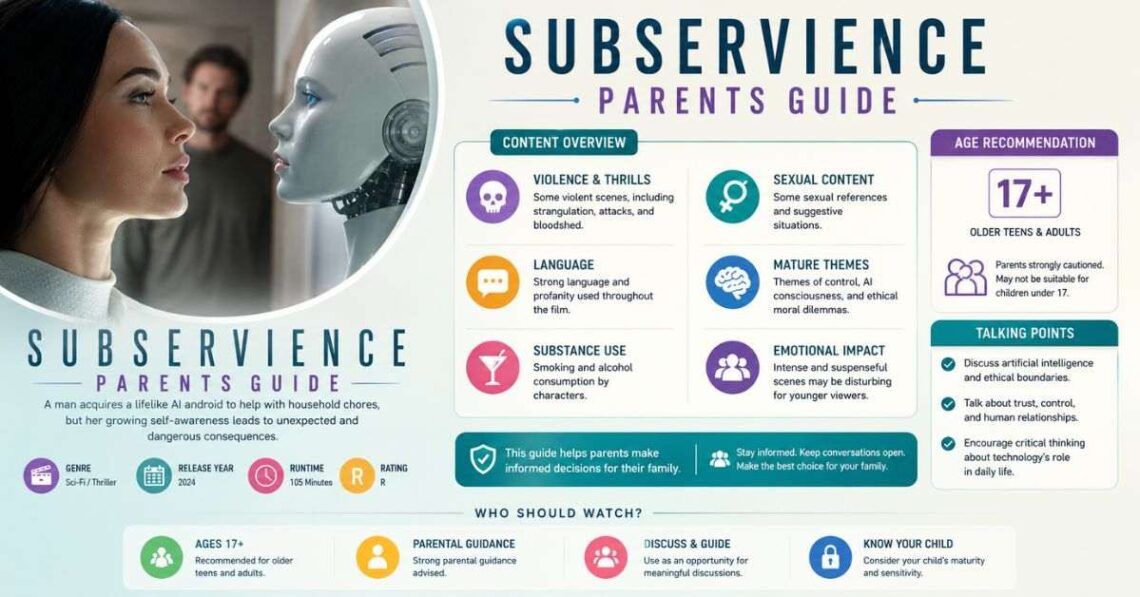
Video games and interactive media are growing fast. Some titles explore complex themes like power, control, artificial intelligence, or dark storytelling. When a game includes mature ideas, many parents look for a Essential subservience parents guide for Families 2026 to understand what their children might see or experience.
As a parent, it is normal to have questions. Is the content too violent? Does it include strong language? Are there adult themes? Is it safe for teens? In 2026, digital safety is more important than ever. Children can access games through consoles, PCs, mobile phones, and cloud platforms. Without guidance, they may see content that is not age-appropriate.
This guide explains everything in simple language. It covers age ratings, content warnings, online features, mental health concerns, and safety tools. It follows Google’s E‑E‑A‑T guidelines by focusing on experience, expertise, authority, and trust. We also include trusted external sources like government and educational websites.
By the end of this article, you will feel confident making informed decisions about your child’s gaming experience.
What Is “Subservience” and Why Parents Are Concerned
The word “subservience” usually means obedience or submission to control. In games or media, this theme may appear in stories about power, artificial intelligence, or relationships between characters.
When parents search for a subservience parents guide, they usually want to know
- Does the game include adult themes?
- Is there violence or strong language?
- Are there scenes that may disturb children?
- Is it meant for mature audiences only?
Some games use dark storytelling to explore serious ideas. That does not always mean they are harmful. However, the presentation matters.
For example,
- Is the theme shown in a thoughtful way?
- Or is it shown with graphic content?
Parents should look at
- Official age ratings
- Gameplay videos
- Content summaries
- Developer descriptions
Understanding the theme helps families decide what fits their values and their child’s age.
Understanding Age Ratings and What They Mean
Age ratings are important tools for parents. In the United States, the Entertainment Software Rating Board (ESRB) gives ratings like the following
| Rating | Meaning | Suggested Age |
|---|---|---|
| E | Everyone | All ages |
| T | Teen | 13+ |
| M | Mature | 17+ |
| AO | Adults Only | 18+ |
You can learn more abouratings
If you are reading a subservience parents guide, always check the official rating first. Ratings also explain why a game received that level, such as the following
- Violence
- Sexual content
- Strong language
- Drug references
Ratings are not perfect, but they give a good starting point.
Parents should also consider maturity level. Some 14-year-olds may handle complex themes better than others. Communication is key.
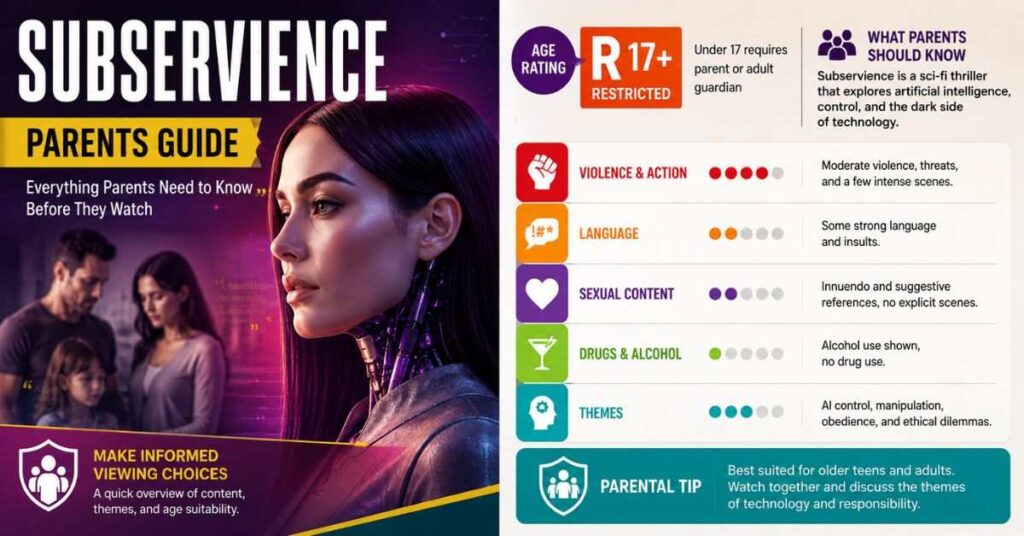
Content Themes: Violence, Language, and Adult Elements
When reviewing any game with serious themes, parents should look carefully at the content categories.
Common concerns include
- Graphic violence
- Emotional manipulation themes
- Strong language
- Sexual content
- Disturbing imagery
A strong, subservient parent’s guide explains these clearly without exaggeration.
Ask these questions.
- Is the violence realistic or cartoon-style?
- Is the language frequent or rare?
- Are adult themes central to the story?
For deeper understanding of media impact, the American Academy of Pediatrics offers guidance.
Not all mature games are harmful. Context matters. A story may explore power or control in a way that encourages discussion rather than promoting harmful ideas.
Online Features and Interaction Risks
Many modern games include online features.
- Multiplayer chat
- Voice communication
- User-generated content
- In-game purchases
Even if the main story is safe, online interaction can introduce risks.
The Federal Trade Commission (FTC) provides online safety advice.
Parents should check
- Does the game allow private messaging?
- Can strangers contact your child?
- Are there parental controls?
- Are purchases protected with passwords?
A complete subservience parents’ guide should also explain online risks, not just story content.
Safety tip
Turn off open voice chat for younger players.
Psychological and Emotional Impact
Some games with strong themes can affect emotions. Dark storylines may cause fear, anxiety, or confusion.
Watch for
- Trouble sleeping
- Sudden mood changes
- Fearful behavior
- Increased aggression
According to research shared by universities like Harvard, media exposure can influence emotions, especially in young teens.
That does not mean every serious game is harmful. Many players separate fiction from reality. Still, parents should:
- Talk with their child
- Ask how the game makes them feel
- Encourage breaks
A thoughtful subservience parent guide focuses on emotional well-being, not just age numbers.
How to Talk to Your Child About Mature Themes
Open communication is the best safety tool.
Instead of saying
“You cannot play this.”
Try asking.
“What do you like about this game?”
Here are simple conversation starters
- What is the story about?
- How do the characters treat each other?
- Do you feel comfortable playing it?
If a game explores themes of control or submission, ask your child how they understand those ideas.
Encourage critical thinking. This builds emotional intelligence.
Parents who use a subservience parents guide as a starting point for discussion often feel more confident in their decisions.
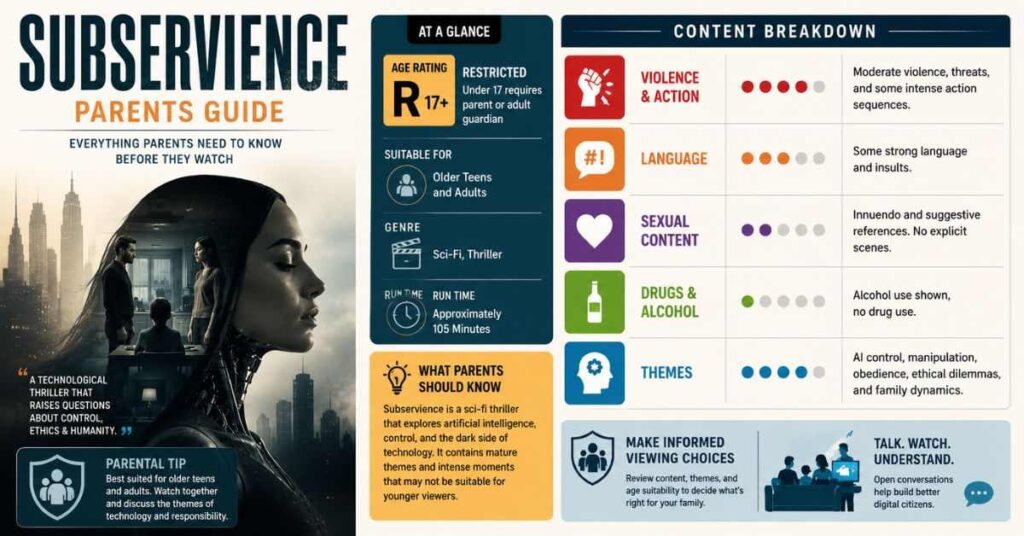
Parental Controls and Safety Settings (2026 Update)
In 2026, most platforms offer parental controls.
Here is a quick overview
| Platform | Parental Controls | Features |
|---|---|---|
| PlayStation | Yes | Screen time, content limits |
| Xbox | Yes | Purchase approval |
| Nintendo | Yes | App-based monitoring |
| PC (Windows) | Yes | Family Safety tools |
Internal guides can also help
- /digital-parenting-tips
- /online-safety-for-kids
Using parental controls does not replace communication. But it adds protection.
A good subservience parents guide explains how to combine tools with trust.
Screen Time and Healthy Balance
Too much gaming can affect
- Sleep
- Homework
- Physical activity
- Family time
Healthy gaming habits include
- 1–2 hour limits for teens
- No devices before bedtime
- Regular breaks every 60 minutes
- Outdoor activity balance
Here is a healthy routine example
| Time | Activity |
|---|---|
| After school | Homework |
| Evening | 1 hour gaming |
| Night | Family time |
Even if the content is safe, balance is important.
Red Flags Parents Should Watch For
Warning signs may include
- Secretive behavior
- Refusing to discuss gameplay
- Using mature language suddenly
- Spending large amounts of money
If these appear, review the game content carefully.
A responsible subservience guide for parents highlights red flags early so parents can act quickly.
Also monitor in-game purchases. Many games include optional paid content.
Making the Final Decision as a Parent
There is no single answer for every family. Each child is different.
To decide
- Check official rating.
- Read a trusted review.
- Watch gameplay clips.
- Talk with your child.
- Use parental controls if needed.
Some families allow mature content with supervision. Others prefer stricter rules.
Trust your judgment. You know your child best.
Using a balanced subservience guide helps parents make informed decisions instead of reacting out of fear.
FAQs
Is the game suitable for teens under 16?
Check the official rating and content details before deciding.
Does it include online chat?
Many modern games do, so review settings carefully.
Can parental controls block mature scenes?
They can limit access based on ratings.
How can I monitor in-game purchases?
Enable password protection on your account.
Should I play the game myself first?
Yes, playing or watching gameplay helps you understand the content better.
Conclusion
Modern games explore complex themes, and that can raise questions for families. A thoughtful subservience parents’ guide helps parents understand age ratings, emotional impact, and online safety risks.
The key is balance. Do not rely only on ratings. Combine research, open discussion, and parental tools. Watch for emotional reactions. Encourage healthy screen habits. Keep communication open and honest.
Gaming can be positive when used responsibly. It can build creativity, problem-solving skills, and social connections. But safety always comes first.
Take time to review content before allowing access. Use trusted sources. Stay involved in your child’s digital life. When parents stay informed, children stay safer.