Introduction
There is something deeply satisfying about bringing a rare and beautiful flower into your home. It instantly changes the mood of a room, softening hard surfaces, adding natural color, and making even the plainest space feel more alive and personal. In 2026, more homeowners are looking beyond roses and tulips and discovering unique, lesser-known ornamental blooms that offer something genuinely different.
One of the most talked-about names in this growing world of botanical home styling is the boylecheloid flower, an ornamental bloom celebrated for its intricate layered petals, soft gradient coloring, and remarkable versatility in interior decoration. Whether you want to elevate your living room, create a stunning dining table centerpiece, or simply bring a calming, nature-inspired presence into a bedroom corner, this flower offers an elegant and accessible way to do it.Amazing Boylecheloid Flower Tips for Beautiful Blooms in 2026: Complete Care, Growing Guide, and Expert Gardening Secrets.
This guide is your complete resource for using this extraordinary bloom in your home. You will find practical styling tips, room-by-room décor advice, care guidance, color-pairing ideas, and a clear breakdown of the floral design trends shaping interiors in 2026. Everything is written in simple, friendly language whether you are a seasoned interior decorator or someone picking up their first vase.
What Is the Boylecheloid Flower and Why Is Everyone Talking About It?
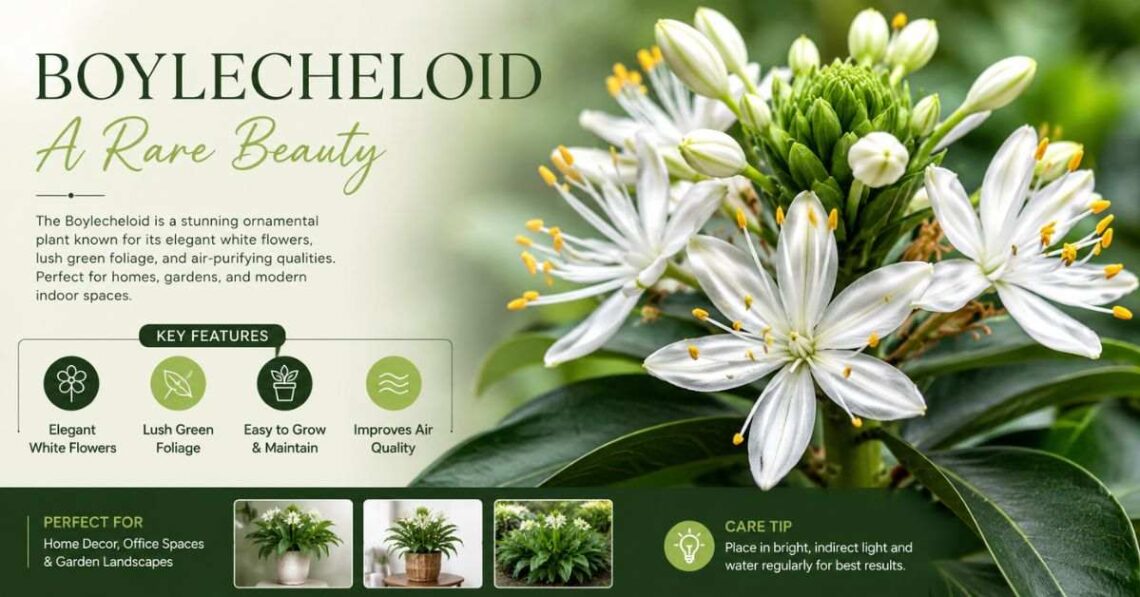
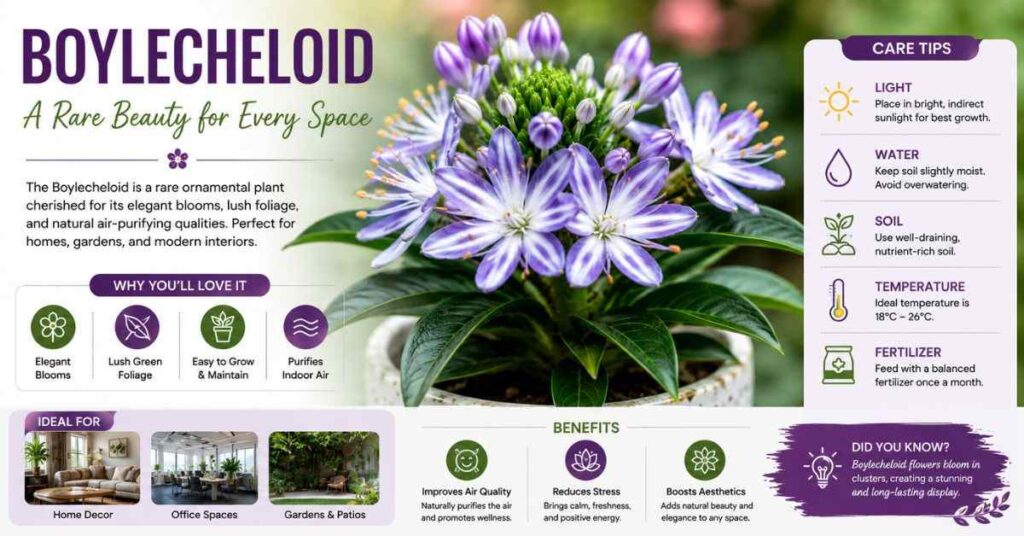
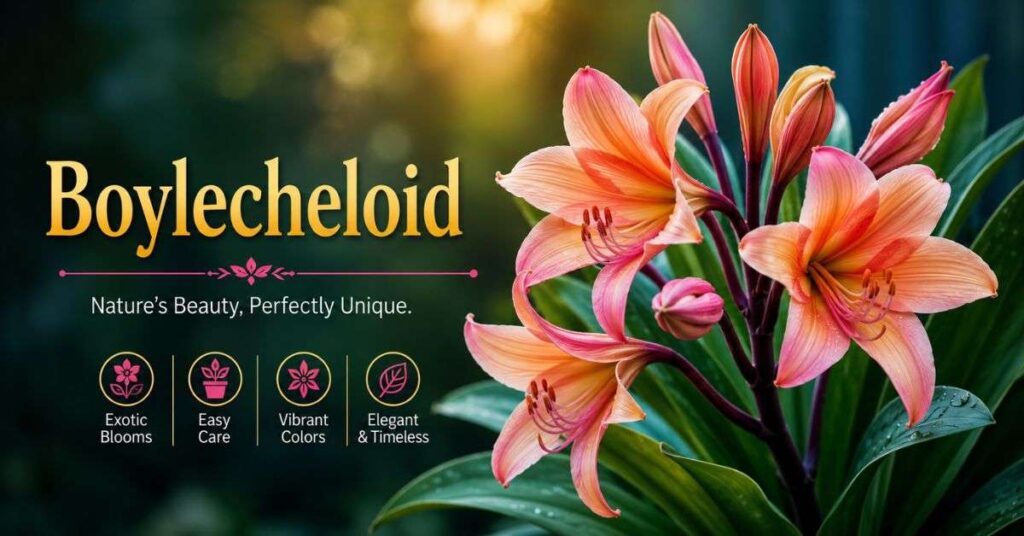
Before you can use something beautifully, it helps to understand it. The boylecheloid is a visually striking ornamental bloom that has been gaining steady attention among interior designers, home decorators, and plant enthusiasts over the past few years. It is a rare ornamental plant celebrated for its intricate petal structure and vibrant coloration. What sets it apart from everyday garden flowers is its layered bloom structure. It typically features layered petals with subtle gradients of color, often shifting between soft pastels and bold tones. That gradient quality, the way one petal seems to melt gently into the next, gives it a painterly, almost artistic appearance that looks stunning in both fresh and dried arrangements. Many people describe it as having soft, layered petals with unusual shapes and smooth textures, often appearing in gentle color tones like light purple, soft pink, or creamy white. The structure is believed to be delicate yet elegant, giving it a slightly premium look that makes it appealing for decorative purposes at every price point. Among emerging and lesser-known floral names, it has started to gain attention as a symbol of uniqueness and aesthetic intrigue representing elegance, layered beauty, and botanical fascination. It is commonly treated as a decorative flowering species valued for its balanced structure and aesthetic appeal.
Why Flowers Matter More Than Ever in Home Décor in 2026
There has been a clear and powerful shift in how people approach decorating their homes. In 2026, interior design is not just about furniture placement and paint colors. It is about creating spaces that feel genuinely alive, restful, and personally meaningful. The most significant shift in how flowers are used in 2026 is conceptual: they are increasingly treated as permanent design elements rather than temporary accents. Interior designers are beginning to specify arrangements and botanical installations in the same conversation as furniture and artwork, which are permanent, considered, and chosen to last. The floral industry is transforming, moving away from simple arrangements toward intentional, expressive, and artistic statements. Flowers are not merely decorations; they are curated experiences, extensions of personal style, and key elements in setting a sophisticated, modern ambiance.
This shift aligns perfectly with the broader direction of interior design in 2026. Verdant living treats the living room as a genuine extension of the garden, with plants and greenery shaping sightlines and defining the atmosphere of a space. In 2026, natural flower décor is all about embracing effortless, just-picked beauty. With loose arrangements, earthy palettes, and organic textures, florals are being styled in a way that feels fresh, relaxed, and deeply connected to nature.
The Color Story: Pairing Rare Ornamental Blooms with Your Interior Palette
One of the reasons layered ornamental blooms like this rare variety are so popular with interior designers is how naturally they fit into almost any color scheme. The ongoing shift toward serene, sanctuary-like spaces, where neutral palettes feel cocooning rather than pared back, makes soft florals an ideal companion for today’s interiors. Florals in living rooms work best when they echo the palette. Pull tones from pillows or throws so the arrangement feels like part of the room, not an afterthought.
Here are color-pairing principles that work particularly well with soft, layered petals in 2026.
Warm Neutrals
Cream, warm white, and soft taupe backdrops allow gradient petals to glow without competition. Place a cluster of blush-toned blooms on a natural linen tablecloth or against a warm plaster wall for a refined, understated effect.
Earthy Tones
Terracotta, olive green, dusty rose, and clay tones are all central to the 2026 home décor palette. A mix of greens and muted blooms blends seamlessly into cozy, lived-in interiors. Layered petals in soft purple or creamy white look especially grounded against these warm earth tones.
Deep, Moody Colors
Dark backdrops make flowers feel richer. Choose muted purples, dusty greens, and soft whites so the contrast feels layered instead of harsh.
Pantone’s 2026 Color of the Year
Pantone selected Cloud Dancer as its color of the year for 2026. Unlike a stark, brilliant white, Cloud Dancer has a diffused, velvety quality, like the inside of a seashell, making it simple to layer into interiors. Soft layered blooms in pastels sit perfectly within this mood.
The boylecheloid’s gradient petals naturally bridge the gap between the flower and its surroundings, making it one of the most flexible ornamental blooms you can bring into your home.
Room-by-Room Floral Styling Guide for 2026
The most effective floral décor is intentional. Every room has a different mood, a different function, and a different set of needs. Here is how to use ornamental blooms beautifully throughout your entire home.
Living Room
In the living room, go big and bold. Large statement arrangements create a striking focal point and set the tone for your space. Fresh flowers and live plants make a space feel more alive and a lot less stuffy. In 2026, designers are also pushing homeowners to reconsider scale. Tastemakers in the floral design space are presenting a new, oversized method of displaying fresh florals.
Bedroom
Florals layered into a bedroom setup, whether on a tray or nightstand, add a softness that complements cozy textiles. The look feels relaxed, almost like it came together on its own. Keep arrangements low and unobtrusive here. The goal is to enhance the space, not compete with its calm energy.
Kitchen
In the kitchen, think fresh and cheerful. Small vases with herb-inspired or delicate blooms add a touch of charm. A small arrangement of pale petals near the window or beside a coffee maker brings daily joy without demanding much attention.
Dining Table
Soft pink draping, clustered flowers, and warm candlelight create a layered tablescape that feels intimate and dreamy without being overwhelming. Keep your arrangement rounded and contained, especially for tables, so it invites conversation instead of interrupting it.
Home Office
Elegant floral arrangements in a home office can boost mood, focus, and creativity. A single stem in a slim ceramic vase on a corner of your desk adds enough nature without cluttering your workspace.
Bathroom
Embrace a spa-like vibe in the bathroom. Plants and waterproof containers make even the tiniest bathroom feel luxurious.
Entryway
A simple console comes alive with a tall vase of delicate stems and a hint of greenery. It’s clean, unfussy, and sets a welcoming tone the moment you walk in the door.
Fresh, Dried, or Preserved: Choosing the Right Display for Every Space
One of the most important decisions you will make when styling with ornamental blooms is not which flower to choose, but how to display it. In 2026, homeowners have three great options: fresh, dried, or preserved flowers. Each one has real advantages depending on the room, the season, and how much time you want to spend maintaining your arrangement.
Fresh Flowers
Fresh flowers are the heartthrobs of the plant world. They arrive looking perfect and smell divine, and suddenly your whole home feels like a photoshoot. But they are a short-lived romance. For everyday styling, fresh blooms are best saved for rooms you use and enjoy most: the kitchen, dining table, or bedside.
Dried Flowers
Texture is a key element for 2026. A hybrid style that merges preserved elements such as pampas grass or dried blooms with vibrant fresh stems offers visual intrigue, longevity, and a striking contrast between soft petals and wild, dry textures, making arrangements both stylish and long-lasting. Dried flowers maintain color well, making them appealing for long-lasting indoor décor.
Preserved Flowers
The connecting thread across all 2026 floral trends is a shift toward flowers architectural scale, and sustainable luxury. A preserved arrangement provides biophilic benefit for 1 to 3 years without any maintenance, making it a practical and beautiful long-term investment for any room. For rooms where fresh flowers are impractical, like a bathroom with no natural light, a dark hallway, or a home office, preserved arrangements are the smart answer.
Vase Selection and Vessel Styling: Getting the Container Right
No matter how beautiful your blooms are, the wrong vase will undermine the whole effect. In 2026, the container is as much a part of the décor as the flower itself. The right container is what “sells” the look. Your vase should bridge the gap between your flowers and your home’s architecture.
Here are the 2026 home décor vase styles and how to match them with your blooms:
Minimalist Ceramic Vases
In indoor spaces, a single bloom placed in a minimalist vase can create a striking visual impact. A clean, matte-finish ceramic in a warm neutral cream, terracotta, or warm grey lets softly layered petals take center stage. This approach works beautifully on a side table, windowsill, or bedside.
Sculptural and Tall Vases
A tall vase with delicate stems sitting against clean architectural lines creates a moment that feels almost gallery-like. The flowers are sparse, but every stem feels intentional. This is where less truly becomes more. Let the shape of each branch or bloom stand out, and give them space to breathe within the room.
Oversized Statement Planters
For a more dramatic look, oversized planters work well for arranging sprawling bouquets or housing a potted plant with a lot of volume. In a larger living room or open-plan space, scale your containers up to match the room’s proportions.
Unexpected Vessels
Use unexpected vessels for your flowers. Teacups, jars, or bowls add personality and make the setup feel more personal and collected. A cluster of small bottles at different heights, each holding a single stem, creates a charming, relaxed effect that suits kitchens and breakfast tables perfectly.
Key Styling Tip
Always consider the height of your arrangement relative to its surroundings. Keep your arrangement tall and airy so it draws the eye upward while keeping the surface feeling open.
Symbolism and Meaning: What This Bloom Communicates in Your Home
Home décor is never purely about appearance. The objects we choose to live with carry meaning; they tell visitors something about who we are, what we value, and what kind of home we want to create. Flowers are no different. Many unique flower varieties carry symbolic meanings. This bloom can symbolize complexity, creativity, and individuality. Its layered structure may represent growth through experience, while its vibrant colors can symbolize passion or renewal. In artistic and cultural contexts, this ornamental flower can represent creativity and transformation. Its layered petals are sometimes interpreted as a metaphor for personal growth and unfolding potential. Many people associate it with themes of rarity, elegance, and mystery. Because it is not as widely known as some traditional flowers, it often symbolizes uniqueness and individuality. In contemporary floral design, this bloom symbolizes harmony and aesthetic refinement.
When you bring a flower like this into your home, you are not just adding color to a shelf. You are adding intention. The symbolism of creativity, growth, and elegance makes the Boylecheloid particularly well suited to spaces meant for reflection, focus, and meaningful living, such as a home office, a reading nook, a meditation corner, or a peaceful bedroom.
How to Care for Layered Ornamental Blooms Indoors
Getting your arrangement to last as long as possible and to thrive in your home comes down to a few basic care principles. The good news is that this ornamental variety is considered manageable for beginners. Cultivating this flower is rewarding but requires some attention to detail. Loamy, well-drained soil enriched with organic compost promotes healthy growth. Avoid waterlogged conditions. It prefers indirect sunlight. Too much direct exposure may scorch its delicate petals. This makes it ideal for the kinds of spots most frequently used for indoor decorating, like a shaded corner shelf, a hallway console, or a bathroom window that receives filtered light. Regular, moderate watering keeps the soil moist but never soggy. The most common mistake homeowners make with ornamental blooms indoors is overwatering. Yellowing leaves are usually a sign of excessive watering. Adjusting the watering schedule and ensuring proper drainage typically resolves this problem. A balanced, slow-release fertilizer applied during the growing season encourages vibrant blooms. Trim spent flowers and damaged leaves to stimulate new growth and maintain a tidy appearance. This is especially important for display arrangements; removing spent blooms keeps the overall visual fresh and prevents the arrangement from looking tired.
For container growing, container gardening enthusiasts also favor this variety due to its manageable root system. When planted in decorative pots with proper drainage, it thrives on balconies, patios, and indoor spaces near windows. This versatility increases its accessibility for urban gardeners.
2026’s Biggest Floral Design Trends and How to Use Them
Understanding where floral design is heading in 2026 helps you make choices that feel fresh, purposeful, and stylish for years to come. Here are the biggest trends and how to bring them into your home.
Mono-Floral Minimalism
There is a rise in minimal mono-floral bouquets, which feel timeless yet contemporary and perfect for sophisticated interiors. A single type of bloom, all in one color, all in one vessel, communicates quiet confidence. For layered ornamental varieties, this approach lets the petal structure speak for itself.
Textural Layering
Texture is a key element for 2026. This trend beautifully merges preserved elements such as pampas grass, dried palms, or preserved hydrangeas with vibrant, fresh blooms. Mixing textures—soft petals with rough grasses, smooth stones with dried stems—creates arrangements that feel both considered and organic.
Architectural Scale
Flowers are no longer quiet accessories; they are central design pillars. In 2026, floral design is transforming home décor: arrangements are bolder and more architectural, seen as statement décor for offices and high-end residential spaces.
Farm-to-Vase Styling
The “farm-to-vase” style embraces the beauty of locally sourced, seasonal, and often “grown-for-you” blooms, emphasizing a refreshing, unpolished, and earthy look sometimes incorporating unexpected elements like berries, herbs, or grasses.
Biophilic Design Integration
Preserved flowers are particularly well aligned with biophilic design principles. A fresh bouquet provides biophilic benefit for one week before needing replacement. A preserved arrangement provides the same benefit for 1 to 3 years without any maintenance. For anyone building a genuinely biophilic interior, preserved botanicals are the most practical way to achieve consistent botanical presence year-round.
Each of these five trends gives you a clear direction for how to style your home with ornamental blooms in 2026, and all five of them work particularly well with soft, layered, gradient petals.
Combining Floral Décor with Other Design Elements for a Complete Look
Flowers are most powerful when they work in harmony with everything else in a room. The best floral styling doesn’t happen in isolation; it responds to the furniture, the textiles, the lighting, and the materials already present. Choose arrangements that echo the natural elements around them. A mix of greens and muted blooms blends seamlessly into cozy, lived-in interiors.
Pair With Natural Materials
Layered, petal-heavy blooms look stunning alongside wood, rattan, linen, and stone. Pairing florals with textured baskets and soft lighting adds warmth without clutter. The organic quality of natural materials mirrors the organic quality of layered petals, creating a cohesive aesthetic throughout the room.
Respond to Your Textiles
Florals in living rooms work best when they echo the palette. Pull tones from pillows or throws so the arrangement feels like part of the room, not an afterthought.
Use Lighting to Your Advantage
There’s something calming about fresh white florals right beside the bed, with the arrangement feeling light and airy, tucked into a simple ceramic vase that blends into the soft neutral palette. Paired with a delicate frame and a glowing candle, it creates a moment that feels almost like a quiet morning ritual.
Layer Heights and Depths
The trick lies in height and flow. Let flowers cascade slightly off the table and mix in varying candle heights so the entire scene feels like it’s gently unfolding rather than sitting still.
Add Greenery as a Supporting Structure
Don’t let flowers do all the work. Greenery trailing ivy, eucalyptus branches, or simple fern fronds adds depth and texture to any arrangement without fighting with the star bloom for attention. In 2026, verdant living treats spaces as genuine extensions of the garden, with plants clustering at varied heights to shape sightlines and atmosphere.
Visual Reference: Quick Summary Tables
Complete Room-by-Room Floral Styling Guide for 2026
| Room | Arrangement Style | Best Container | Ideal Colors | Fresh or Preserved? |
|---|---|---|---|---|
| Living Room | Bold, oversized, architectural | Large ceramic urn or tall vase | Warm neutrals, terracotta, deep green | Either works; preserved for longevity |
| Bedroom | Low, soft, minimal | Small matte ceramic vase or tray | Blush pink, soft lavender, creamy white | Fresh for fragrance; preserved for ease |
| Dining Table | Rounded, mid-height centerpiece | Round ceramic or glass vessel | Warm yellows, blush, soft coral | Fresh for occasions; preserved for daily use |
| Kitchen | Small, cheerful, compact | Small glass jar or bud vase | Bright pastels, herb greens, soft white | Fresh blooms or small dried stems |
| Bathroom | Minimal, spa-like | Waterproof ceramic or glass | Soft white, pale green, dusty blue | Preserved or high-quality faux |
| Home Office | Single stem, unobtrusive | Slim ceramic or bud vase | Soft purple, cream, warm white | Either; preserved needs zero maintenance |
| Entryway | Tall and welcoming | Tall floor vase or console vase | White, sage green, soft pink | Fresh for welcome; preserved for convenience |
| Reading Nook | Small cluster, cozy | Teacup, jar, or small bottle | Warm cream, dusty rose, soft mauve | Either; match the room’s quiet mood |
2026 Floral Design Trends What They Mean for Your Home
| Trend Name | Core Idea | Best Rooms | Materials and Blooms | Mood Created |
|---|---|---|---|---|
| Mono-Floral Minimalism | One bloom type, one color, clean display | Living room, dining, office | Layered ornamental blooms, roses, hydrangeas | Sophisticated, intentional |
| Textural Layering | Mix dried and fresh elements for depth | Living room, entryway, bedroom | Pampas grass, dried stems, fresh petals | Bohemian, warm, artistic |
| Architectural Scale | Oversized arrangements as room anchors | Living room, foyer | Bold mixed arrangements in large urns | Regal, dramatic, editorial |
| Farm-to-Vase | Seasonal, local, unpolished beauty | Kitchen, dining, living room | Mixed seasonal blooms, berries, herbs | Natural, grounded, conscious |
| Biophilic Consistency | Permanent botanical presence year-round | All rooms | Preserved flowers, moss panels, live plants | Calming, wellness-focused |
| Cloud Dancer Palette | Soft, velvety whites and near-neutrals | Bedroom, bathroom, living room | Cream blooms, pale pastels, white stems | Serene, sanctuary-like |
Fresh vs. Dried vs. Preserved Flowers Which Is Right for You?
| Factor | Fresh Flowers | Dried Flowers | Preserved Flowers |
|---|---|---|---|
| Lifespan | 5–14 days | 6–12 months | 1–3 years |
| Maintenance | Daily water change recommended | No water needed | No maintenance required |
| Cost | Low per stem, recurring | Low to medium, one-time | Higher upfront, long-term value |
| Fragrance | Yes — natural scent | Minimal to none | Minimal to none |
| Best For | Dining tables, kitchens, occasions | Bedrooms, shelves, rustic rooms | Every room, especially low-light spaces |
| Eco Impact | High if imported; lower if local | Very low | Low to medium (processing required) |
| Boylecheloid Suitability | Excellent when fresh blooms are available | Very good — holds gradient color well | Excellent for long-lasting display |
Frequently Asked Questions
Can I grow ornamental blooms like these indoors in an apartment?
Yes, this variety has a manageable root system and thrives in decorative pots with proper drainage on balconies, patios, and indoor spaces near windows. A bright windowsill with indirect light is ideal.
What is the best vase style for layered, gradient petals?
Minimalist ceramic vases in warm neutral tones, cream, terracotta, or matte white, work best because they let the petal structure and color gradient stand out without visual competition. Keep the container simple so the bloom remains the star.
How do I make a floral arrangement last longer in my home?
Regular, moderate watering keeps soil moist but never soggy; a balanced, slow-release fertilizer applied during the growing season encourages vibrant blooms; and trimming spent flowers and damaged leaves stimulates new growth and maintains a tidy appearance.
Are dried flower arrangements considered stylish in 2026?
The perception of preserved and dried flowers has shifted completely in 2026. Multiple trend reports confirm that preserved and dried botanicals have moved from a rustic or bohemian aesthetic to a luxury, gallery-worthy one. They are very much on trend.
What is the best way to combine flowers with other home décor elements?
Florals work best when they echo the palette of the room. Pull tones from pillows or throws so the arrangement feels like part of the room, not an afterthought. Pair blooms with natural materials: wood, rattan, linen, and stone for the most cohesive effect.
Conclusion
Decorating your home with flowers is one of the oldest and most powerful ways to make a space feel more like yours. In 2026, that tradition has evolved into something more intentional, more beautiful, and more accessible than ever before.
Whether you are placing a single stem in a minimalist ceramic vase on your desk, building a dramatic oversized arrangement for your living room, or embracing the long-lasting elegance of preserved botanicals throughout your home, the principles are the same: choose with intention, style with purpose, and let nature do the rest.
The layered, gradient beauty of ornamental blooms like the bougainvillea fits naturally into every major home décor trend of 2026 from warm neutrals and biophilic design to architectural scale and mono-floral minimalism. It brings symbolism, elegance, and genuine visual interest to any room it enters.
You don’t need a designer’s budget or a professional florist to create something beautiful. You just need the right bloom, the right vessel, and the confidence to trust your own sense oftyle.